
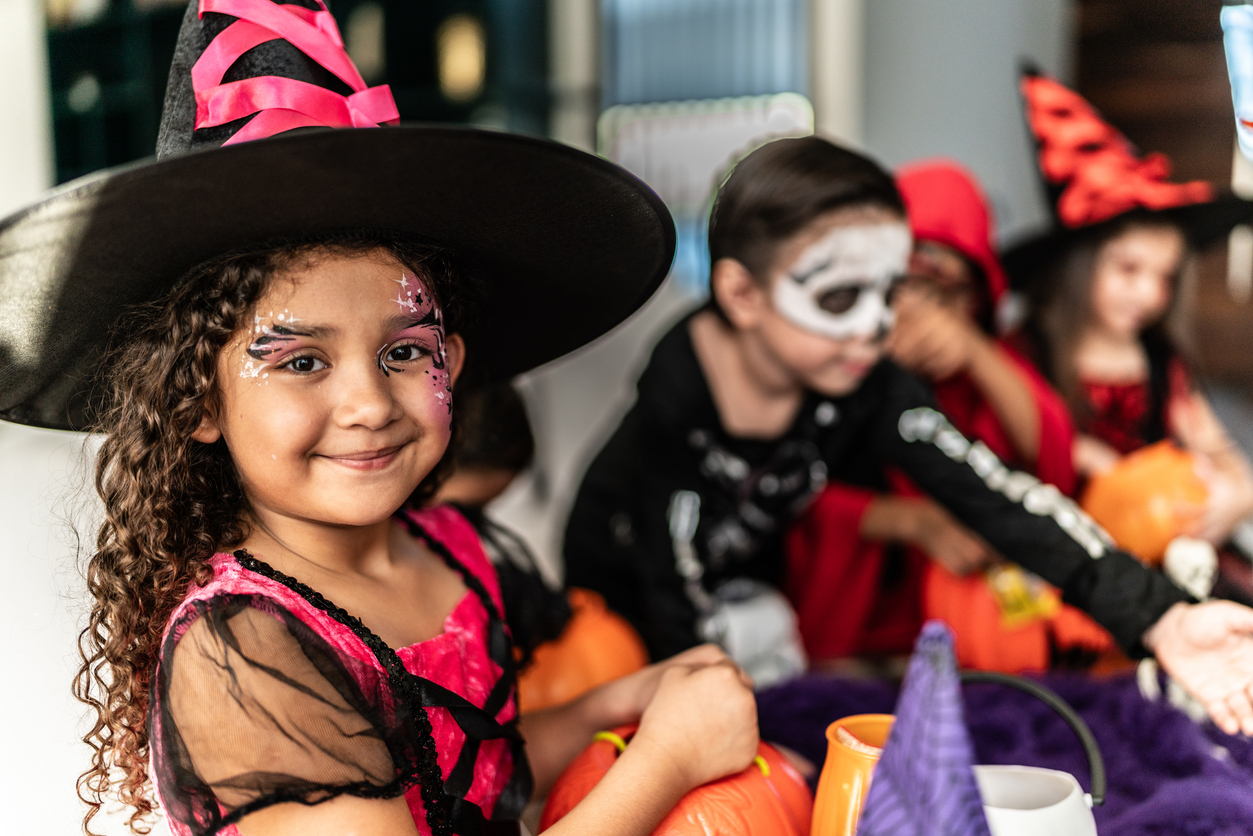
Halloween is a time of excitement for many children, costumes, decorations, and of course, the thrill of trick-or-treating. But for families managing food allergies, it can also bring a significant amount of stress and worry. Navigating a holiday centred around treats that may contain hidden allergens is a genuine concern for many parents.
The good news is that managing food allergies doesn’t mean your child has to miss out on the fun. With a bit of planning and a few practical strategies, you can ensure Halloween is a safe, inclusive, and memorable experience for everyone. This guide is designed to help you navigate the holiday with confidence, focusing on small, consistent changes that can make a meaningful difference.
A food allergy is a medical condition where exposure to a certain food triggers a harmful immune system response. This is different from a food intolerance, which doesn't involve the immune system but can cause symptoms like an upset stomach. For someone with a food allergy, even a tiny amount of the allergen can cause a reaction ranging from mild symptoms like hives to a severe, life-threatening reaction called anaphylaxis.
Food allergies are a significant public health concern in Canada. According to Health Canada, approximately 7% of Canadians self-report having a food allergy (Health Canada). This reality impacts communities nationwide, with Food Allergy Canada noting that nearly one-in-two Canadian households are directly or indirectly affected by the condition (Food Allergy Canada). Understanding the basics is the first step toward creating a safer environment, not just at home but within the wider community.
While food allergies require year-round vigilance, Halloween presents a unique set of risks that can heighten anxiety for families. The very nature of trick-or-treating involves accepting food from multiple sources, often with little information about its ingredients or how it was handled.
One of the biggest challenges is inconsistent labelling. Many “fun-size” or miniature candies are sold in large, mixed bags and may not have individual ingredient lists. Furthermore, the formulation for a snack-size version of a candy can sometimes differ from its full-size counterpart. Another major concern is cross-contamination, which can happen when safe and unsafe treats are mixed in the same bowl or treat bag.
These risks are not just theoretical. Research has shown that emergency room visits for anaphylaxis related to peanuts increase by 85% in children during Halloween compared to the rest of the year. This statistic highlights why extra care and preparation are so crucial during this festive period. Let's look at how you can proactively manage these challenges.
Empowering your family with a clear plan can transform Halloween from a source of stress into a day of fun. You don't need to reinvent the holiday; a few key practices can build a strong safety net.
One of the simplest and most effective rules is that no treats are eaten while trick-or-treating. Explain to your child that all candy needs to be brought home first for a safety check. This gives you the opportunity to carefully inspect every item in a well-lit environment, away from the excitement and social pressure of the moment.
Once home, sort through the candy together. Make it a rule to read the full ingredient list on every single item, even if it's a treat your child has eaten safely before. Manufacturers can change their ingredients or processing facilities without notice. If a treat has no label, it's safest to discard it or set it aside for a swap.
Instead of just taking away unsafe treats, offer an exciting trade. Let your child swap their unsafe candy for allergy-friendly treats, a new toy, a book, or a special activity. This reframes the experience positively, focusing on what they get to have rather than what they are giving up.
The Teal Pumpkin Project is a national initiative by Food Allergy Canada that promotes inclusion for trick-or-treaters with food allergies. Placing a teal pumpkin on your doorstep signals that you are offering non-food treats, such as stickers, glow sticks, or small toys. This is a wonderful way to keep the fun in Halloween for all children in your community.
Building a supportive environment for your child involves open and age-appropriate conversations. It is important to teach your child about their allergies without causing fear. Empower them with the language to politely decline a treat they are unsure about and to always ask an adult before eating anything.
It can also be helpful to speak with neighbours, friends, and family ahead of time. A brief, friendly conversation can raise awareness and help them understand why offering non-food treats or being mindful of ingredients is so important. Most people are happy to help when they understand the situation. This proactive communication helps build a community of care around your child, making social events like Halloween parties feel safer and more inclusive.
Managing food allergies involves a partnership with your healthcare team. It's essential to have a clear Anaphylaxis Emergency Plan prepared by your doctor or allergist. Ensure this plan is shared with your child’s school and any other caregivers.
If you or your child are feeling overwhelmed by the anxiety associated with managing food allergies, especially during high-risk times like holidays, it's a valid concern. Constant worry can impact your family's quality of life. In these situations, professional guidance can help you build coping strategies. A healthcare provider can offer resources for managing both the physical and emotional aspects of living with food allergies.
Living with food allergies requires careful management, but it should not prevent your family from creating wonderful holiday memories. By focusing on preparation, open communication, and established safety routines, you can confidently navigate Halloween.
Remember, a safe holiday is not about perfection; it's about having a thoughtful plan in place. These small, consistent steps empower you and your child to enjoy the magic of Halloween while keeping health and safety at the forefront. The goal is inclusion and fun, and with these strategies, that is entirely achievable.
Building healthier habits starts with the right support. Through our EFAP benefits, you have access to professional guidance tailored to your needs. Our services can help with managing allergy-related stress, nutritional planning, and building family coping strategies. Whether you are just getting started or looking to feel more confident in managing your family's health, support is available to help you make sustainable changes.